




Your employees’ networks have, on average, ten times more connections than your company’s follower base, yet most firms still treat their staff as a secondary distribution channel. You’ve likely noticed that organic reach on your corporate page is dwindling whilst your team remains resistant to sharing “forced” updates. It’s a valid concern; your staff don’t want to look like corporate bots, and you’re likely worried about them saying the wrong thing. Mastering how to create an employee advocacy program on LinkedIn in 2026 requires moving beyond the defunct native tools of the past and embracing a strategy built on genuine influence.
- Key Takeaways
- The Evolution of Advocacy: Why Traditional Sharing Fails in 2026
- Designing Your Strategic Framework: From Policy to Personal Branding
- Implementing the Programme: Training, Tools, and Content Pillars
- Measuring Impact and Sustaining Momentum through Expert Support
- Future-Proofing Your Firm’s Digital Authority
- Frequently Asked Questions
I’ll help you transform your workforce into a powerhouse of brand authorities whilst navigating the latest algorithm shifts that penalise repetitive content. You’ll discover how to move from a distribution-first mindset to a creation-first culture that drives higher quality lead generation through authentic social selling. We’ll break down the strategic shift from LinkedIn’s discontinued “My Company” tab to high-performing, AI-assisted personal branding that positions your firm as a definitive industry leader.
Key Takeaways
- Understand why the 2026 LinkedIn algorithm penalises low-effort corporate re-shares and how to pivot towards authentic employee influence.
- Learn how to create an employee advocacy program on LinkedIn that balances a flexible social media policy with the empowerment of individual professional voices.
- Move beyond static content libraries by training your team to identify their unique expert voice within specific industry content pillars.
- Shift your success metrics from vanity likes to genuine commercial value, focusing on inbound enquiries and Social Selling Index (SSI) improvements.
The Evolution of Advocacy: Why Traditional Sharing Fails in 2026
Modern employee advocacy isn’t about arm-twisting your staff into reposting the latest company press release. It’s the strategic empowerment of your workforce to build genuine professional influence. In 2026, the LinkedIn algorithm has evolved to prioritise depth and individual perspective over raw volume. If you’re wondering how to create an employee advocacy program on LinkedIn that actually generates results, you have to abandon the idea of your staff acting as a secondary marketing department.
The Shift from Broadcast to Dialogue
The recent “360brew” algorithm shift has fundamentally altered the digital landscape. AI-driven models now de-prioritise identical, copy-paste shares from multiple accounts, viewing them as low-value noise. This is why many firms saw their organic reach plummet in late 2025. Today, peer-to-peer engagement carries significantly more weight than corporate-to-consumer broadcasting. By shifting from a “corporate mouthpiece” approach to a “brand authority” model, you allow your team to lead conversations rather than just echoing them.
This evolution centres on the concept of the social employee, an individual who uses their professional presence to foster trust and industry dialogue. To achieve this without sounding like forced corporate spam, firms must invest in specialised LinkedIn employee advocacy training. This ensures that every team member understands how to translate company insights into their own unique expert voice whilst maintaining professional alignment.
When you give your team the tools to build their own authority, the brand’s visibility grows as a natural byproduct. It’s a symbiotic relationship where the employee’s career growth fuels the company’s market reach. If your current strategy still relies on “click to share” buttons, you aren’t building influence. You’re simply contributing to the digital clutter that the algorithm is now designed to hide.
Designing Your Strategic Framework: From Policy to Personal Branding
Success on LinkedIn isn’t accidental. It’s the result of a deliberate framework that balances corporate goals with individual professional growth. When considering how to create an employee advocacy program on LinkedIn, you must first define clear, commercial objectives. Move beyond the superficiality of “more likes” and focus on tangible outcomes like social selling pipelines and high-quality talent acquisition. You can find more detail on these foundational steps in this comprehensive guide on starting an employee advocacy program.
A rigid, restrictive social media policy is the fastest way to kill staff engagement. Instead, establish a flexible framework that encourages individual voice whilst setting clear boundaries. Once your policy is in place, identify a “Beta Group” of internal champions. These are your early adopters who will lead the cultural shift by demonstrating the personal benefits of active participation. Before they post a single update, however, you must audit their existing presence. If a profile doesn’t meet modern professional standards, any content they share will lose credibility before it’s even read.
Aligning Employee Profiles with Corporate Brand
Sophisticated B2B audiences in 2026 can spot a “one-size-fits-all” corporate banner from a mile away. It feels impersonal and forced. Effective alignment requires a nuanced approach where the employee’s personal brand complements the corporate mission without being swallowed by it. This is why understanding how to structure a LinkedIn training programme for employees is vital. You need to teach your team how to optimise their profiles for their specific niche whilst maintaining a cohesive brand aesthetic.
More…

For firms looking to accelerate this transition, our bespoke LinkedIn corporate services provide the strategic oversight needed to ensure every profile reflects true industry authority. It’s about building a collective presence that feels human, expert, and aligned.
Implementing the Programme: Training, Tools, and Content Pillars
Implementing a strategy requires more than just giving staff a list of links to share. If you want to master how to create an employee advocacy program on LinkedIn that genuinely resonates, you must move beyond the static content library model. These libraries often encourage robotic, uninspired posting behaviour that sophisticated networks immediately ignore. Instead, teach your team to identify their “expert voice” by focusing on three core content pillars: educational insights, company culture, and industry-specific analysis.
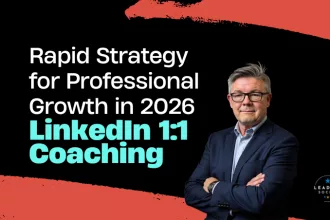
Looking at successful employee advocacy programs from global leaders, the common thread isn’t the volume of posts, but the authenticity of the perspective. When refining how to create an employee advocacy program on LinkedIn for larger teams, AI tools offer a powerful way to scale ideation. Use them for brainstorming and structuring drafts, but never for the final execution. The human element is your only protection against the algorithm’s filter for generic content. For senior leadership, the stakes are higher; their presence often requires a more tailored approach. This is where LinkedIn 1:1 coaching sessions become invaluable, providing rapid strategy for those who need to maintain high-level visibility whilst managing intense schedules.
The Role of Executive Ghostwriting
Top-tier advocacy inevitably starts at the C-suite level. If the leadership isn’t visible, the rest of the organisation will rarely follow suit. However, busy executives often lack the time to craft daily insights. Professional ghostwriting solves this challenge; it ensures consistency and strategic alignment without losing the executive’s unique perspective. It’s about capturing their genuine insights and translating them into high-impact digital content that drives the entire firm’s authority forward.
Ready to empower your workforce? Explore our specialised LinkedIn corporate training and consultancy to build a programme that delivers genuine substance.
Measuring Impact and Sustaining Momentum through Expert Support
Launching your strategy is only the first hurdle. To ensure long-term viability, you must shift your perspective on what success actually looks like. If you’re focusing solely on vanity metrics like likes and shares, you’re missing the point of how to create an employee advocacy program on LinkedIn that drives revenue. Real value lies in qualitative shifts: the increase in inbound enquiries, the consistent improvement of individual Social Selling Index (SSI) scores, and the “dark social” mentions that occur in private messages and boardrooms where your brand is now a topic of conversation.
Sustaining momentum requires a culture of recognition that doesn’t feel like a transactional chore. Don’t just reward the person who posts the most. Instead, celebrate those who initiate high-value conversations or demonstrate significant professional growth. This approach ensures that advocacy remains an authentic extension of their career rather than a burdensome item on a checklist. Because the digital landscape moves so quickly, continuous learning is non-negotiable. Stagnation is the enemy of influence, especially whilst the algorithm continues to favour those who adapt to new features first.
Professional consultancy acts as the catalyst for this sustained success. It provides the external perspective needed to identify gaps in your strategy and keep your team aligned with the latest platform mechanics. When you treat advocacy as a long-term investment in your human capital, the returns transcend simple marketing reach. You aren’t just building a programme; you’re evolving your firm’s digital DNA to be more resilient and authoritative.
Scaling Your LinkedIn Strategy
As your programme matures, your corporate presence must evolve to mirror the authority of your staff. You can see this synergy in action by reviewing these LinkedIn company page examples that successfully integrate employee voices. These firms don’t just broadcast; they curate a collective expertise that makes their brand the obvious choice in their industry. It’s a powerful shift from being a faceless entity to becoming a community of experts.
If you’re ready to move beyond generic advice and build a powerhouse of brand authorities, we’re here to guide you. Discover our bespoke LinkedIn services for corporate teams and launch your advocacy programme with the strategic depth it deserves.
Future-Proofing Your Firm’s Digital Authority
The era of treating staff as mere megaphones for corporate announcements is over. Success in this new landscape requires a fundamental shift towards empowering individual expert voices and navigating the complexities of the 2026 algorithm. You’ve seen how moving beyond static content libraries and focusing on genuine industry dialogue can rebuild the reach lost in the recent “360brew” shift. By aligning personal branding with corporate objectives, you don’t just increase visibility; you build a resilient, authoritative presence that survives platform changes.
Mastering how to create an employee advocacy program on LinkedIn is the definitive step towards establishing your firm as a thought leader. It requires a blend of strategic policy, specialised training, and a focus on high-level executive thought leadership. Whether you’re auditing current profiles or implementing executive ghostwriting, the goal remains the same: genuine substance over superficial metrics. With expert-led training by Leaders Social and a specialised focus on 2026 algorithm navigation, your team can achieve proven results that translate into real-world commercial value.
Ready to transform your workforce into a powerhouse of brand authorities? Book a bespoke LinkedIn corporate strategy session today to start your journey. Your team’s collective influence is your greatest untapped asset; it’s time to put it to work.
Frequently Asked Questions
How do I encourage employees to participate in an advocacy programme without making it mandatory?
Position the initiative as a career development opportunity rather than a corporate obligation. When staff see that building a personal brand increases their own industry visibility and network value, participation becomes a choice rather than a chore. Showcasing early wins from your “Beta Group” creates organic interest amongst the wider team. It’s about demonstrating that active engagement on the platform is a transferable skill that benefits their long-term professional trajectory.
What are the biggest mistakes companies make when launching a LinkedIn advocacy programme?
The most common failure is treating staff like robotic distribution channels by providing rigid, copy-paste content libraries. This behaviour triggers algorithm penalties and erodes the employee’s credibility. Another mistake is neglecting the foundational step of profile optimisation. If you’re learning how to create an employee advocacy program on LinkedIn, you must prioritise individual voice and expert training over raw volume. Ignoring the human element always leads to uninspired results.
How much time should employees realistically spend on LinkedIn advocacy each week?
Consistency is far more impactful than intensity. We recommend that employees dedicate 15 to 30 minutes, three times a week, to maintain a healthy presence. This time should be split between sharing original insights and engaging with industry peers in the comments. High-level advocates often find that integrating these habits into their morning routine makes the process feel seamless. It’s about quality interactions that build trust, not spending hours scrolling.
Can an employee advocacy programme work for small businesses or is it only for large corporations?
Small businesses often see the most significant relative impact because they can be more agile and authentic than large corporations. In a smaller team, the connection between individual expertise and the company mission is typically much tighter. This makes it easier to figure out how to create an employee advocacy program on LinkedIn that feels personal and unscripted. Every team member’s contribution carries more weight, allowing a boutique firm to punch well above its weight class.
What metrics should I track to prove the ROI of our LinkedIn advocacy training?
Move your focus from vanity metrics like “likes” to commercial value indicators. Track the Social Selling Index (SSI) of your key advocates to measure their growing influence. Monitor the volume of inbound enquiries and the quality of leads generated through social interactions. Additionally, compare the organic reach of employee posts against your corporate page performance. These data points provide a clear picture of how your training investment is translating into genuine market authority.